Block products differ according to the materials used in manufacturing, their shape, and their properties. Choosing the right type depends on the project requirements and technical specifications.
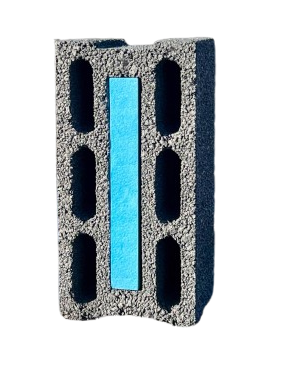
● Volcanic blocks are a type of
building block that uses volcanic
aggregates as part of its composition.
● Volcanic aggregates have different
properties from conventional aggregates.
Depending on the manufacturing mix,
they may help reduce block weight
and improve thermal insulation.
● Volcanic blocks are available
in various shapes for construction,
including insulated options.
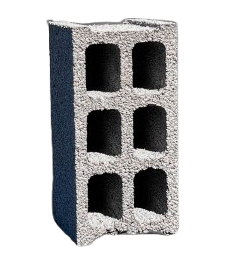
● Concrete blocks are a building
material used to construct walls
and partitions inside and outside
buildings.
● They are made from a cement-based
mixture containing aggregates,
sand, and water. Their shapes
vary according to their intended use.
● Available types include solid,
hollow, and insulated blocks,
as well as special-purpose blocks
for certain construction applications.
Block properties vary depending on the type of aggregate, manufacturing process, and product design. The following table highlights the main general differences between the two types.
Blocks differ not only in the materials they are made from, but also in their shape and design. Several types are used for different construction applications.
Blocks containing internal openings that vary in number and shape depending on the product type. Used for walls and partitions, with dimensions and designs that vary according to the intended application.
Blocks with a solid body, without the large internal openings found in hollow blocks. Used in construction work that requires this type of structure, according to the design and engineering specifications.
Blocks designed to help reduce heat transfer through walls. They are available in different designs and insulation systems, and may be made from concrete or volcanic materials depending on the manufacturing composition.
Specially designed blocks for particular construction applications, such as utility service blocks, U-shaped blocks, and certain types of Hordi blocks. Their shapes and dimensions vary according to their intended use.
Explore our concrete and volcanic block products, choose the type and dimensions that suit your project, and send us your requirements to request a quotation from our sales team.
Request a Quote